Simple, science-backed habits that actually work — and fit into Indian everyday life
You have probably noticed it. Some people around you catch every cold that is going around, while others barely sniffle. Some bounce back from exhaustion quickly. Others drag it out for weeks. The difference often comes down to one thing: how well their immune system is functioning.
The good news is that your immune system is not fixed. It responds directly to how you eat, how you sleep, how much you move, and how you manage stress. And you do not need expensive supplements or complicated protocols to make a meaningful difference.
Here are the most effective, evidence-backed ways to build a stronger immune system — starting today, from where you are.
1. Eat More Immunity-Boosting Foods (Your Kitchen Already Has Them)
Before you reach for a supplement, look at your kitchen. Indian cooking is built on some of the most powerful immune-supporting ingredients in the world — most of us just do not realise it.
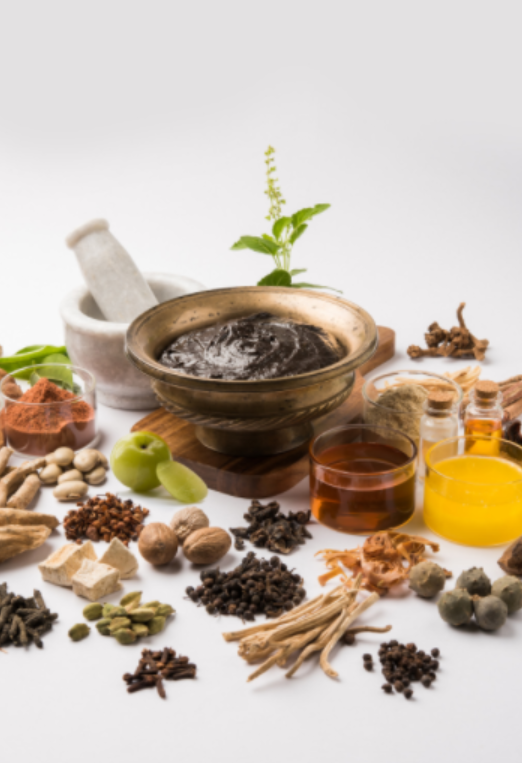
The Immunity Powerhouses in Your Indian Kitchen
- Haldi (Turmeric) Curcumin, the active compound in turmeric, is one of nature’s most potent anti-inflammatory and antioxidant agents. A simple haldi doodh at night can make a real difference.
- Adrak (Ginger) Ginger has natural antiviral and anti-inflammatory properties. Fresh adrak chai in the morning? That is medicine, not just comfort.
- Amla (Indian Gooseberry) One small amla contains more Vitamin C than many oranges. Raw, pickled, or as juice — all forms work.
- Lehsun (Garlic) Allicin in garlic actively helps the body fight infections. Use it raw or lightly cooked for maximum benefit.
- Citrus Fruits Nimbu, orange, and mosambi are rich in Vitamin C, which directly supports the production of white blood cells.
- Spinach and Methi Leafy greens are loaded with folate, Vitamin C, and antioxidants that keep immune cells healthy.
| 💡 Nudge Tip You do not need to overhaul your diet overnight. Just start by adding one immunity-boosting ingredient to what you already eat. A squeeze of nimbu on your dal. A pinch more haldi in your sabzi. Small additions, real results. |
2. Fix Your Gut — Your Immunity Lives There
Here is something that surprises most people: roughly 70% of your immune system lives in your gut. The trillions of bacteria in your digestive system play a direct role in how well your body fights off infections and inflammation.
When your gut bacteria are healthy and balanced, your immune response is stronger. When they are disrupted — by poor diet, antibiotics, or stress — your immunity takes a hit.
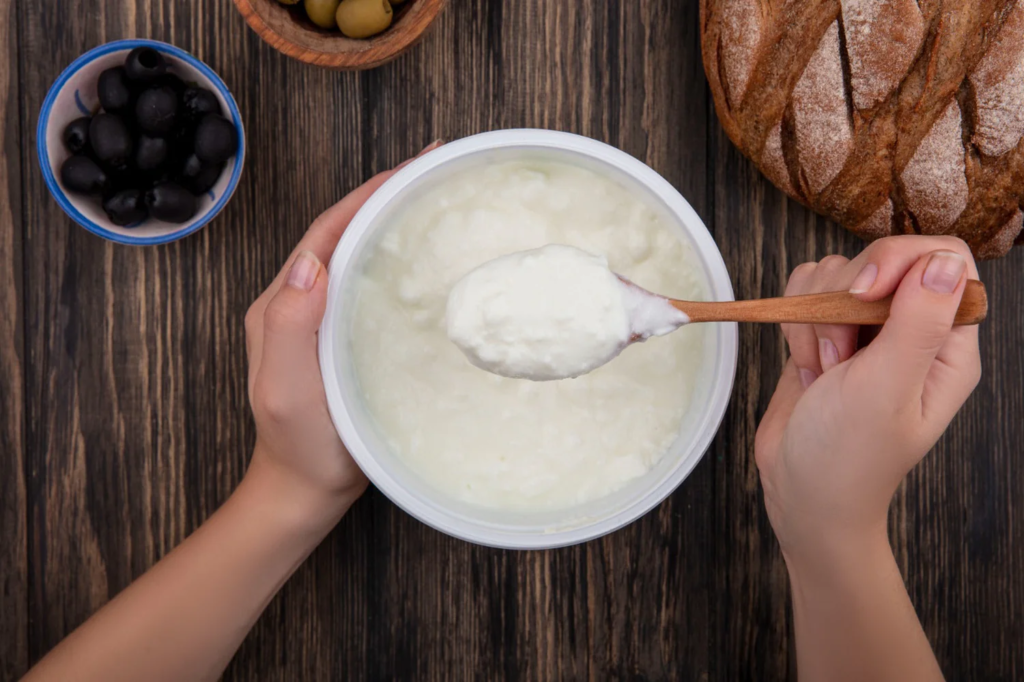
How to Support Your Gut for Stronger Immunity
- Eat curd (dahi) every day It is India’s original probiotic. One bowl of fresh homemade curd with your lunch is one of the most powerful things you can do for your gut.
- Add fermented foods Idli, dosa, kanji, and homemade achaar are naturally fermented and rich in beneficial bacteria.
- Eat more fibre Dal, sabzi, fruits, and whole grains feed the good bacteria in your gut. They need fibre to thrive.
- Cut back on ultra-processed food Packaged snacks, sugary drinks, and excessive refined flour disrupt gut bacteria over time.
| ⚠️ What Most People Miss Probiotic supplements are not always necessary. If you are eating fresh homemade curd daily and a fibre-rich Indian diet, you are already doing a lot for your gut health. |
3. Sleep Is Not Optional — It Is When Immunity Is Built
Sleep is the most underrated immune booster there is. While you sleep, your body produces and releases cytokines — proteins that actively fight infection and inflammation. Without enough sleep, your body produces fewer of them.
Studies consistently show that people who sleep less than six hours are significantly more likely to get sick when exposed to a virus than those who sleep seven to eight hours.

Simple Sleep Habits That Make a Difference
- Aim for 7 to 8 hours every night, not just on weekends.
- Keep a consistent sleep and wake time, even on holidays. Your body thrives on rhythm.
- Avoid screens for 30 minutes before bed. The blue light suppresses melatonin, your sleep hormone.
- A warm glass of haldi doodh before bed can actually help — it is calming and supports sleep quality.
- Keep your room cool and dark. Your body temperature naturally drops during sleep and needs that environment.
| 💡 Nudge Tip If you find yourself waking up tired consistently, start by fixing your wake time first. Set a fixed alarm, get up at the same time every day for two weeks, and let your sleep cycle naturally reset. It is the simplest sleep intervention that actually works. |
4. Move Your Body — Even a 30-Minute Walk Counts
You do not need an intense gym routine to boost your immunity. In fact, excessive high-intensity exercise without recovery can temporarily suppress it. What the research consistently shows is that moderate, regular movement is the sweet spot.

What Counts as Immunity-Supportive Exercise?
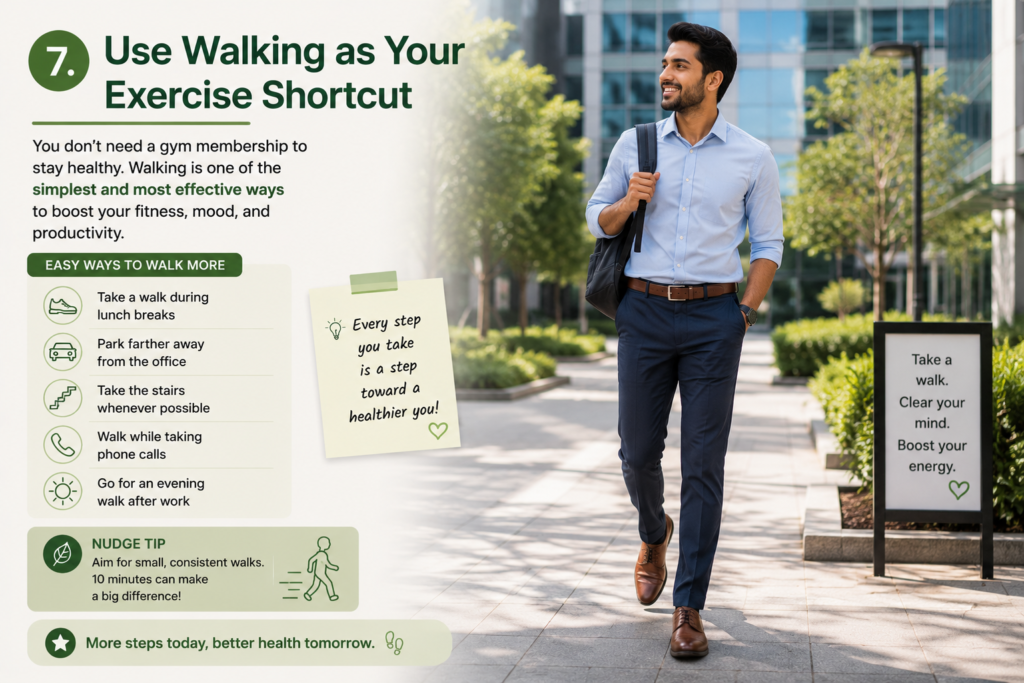
- A brisk 30-minute walk every day — arguably the single best thing you can do for overall health.
- Light yoga, especially Pranayama (breathing exercises), which directly supports lung health and stress reduction.
- Cycling, swimming, or any activity that gets your heart rate up without exhausting you.
- Even 10-minute walks after meals add up and help regulate blood sugar, which affects immune function.
Exercise improves circulation, which means immune cells travel more efficiently through the body. It also reduces inflammation and helps you sleep better — both of which directly boost immunity.
5. Manage Stress Before It Manages You
Chronic stress is one of the most powerful suppressors of the immune system. When you are under sustained stress, your body produces cortisol — a hormone that, in high amounts over time, actively reduces the effectiveness of your immune response.
This is why people often fall sick right after a stressful period at work or after exams. The body held it together under pressure and then crashed when cortisol levels dropped.
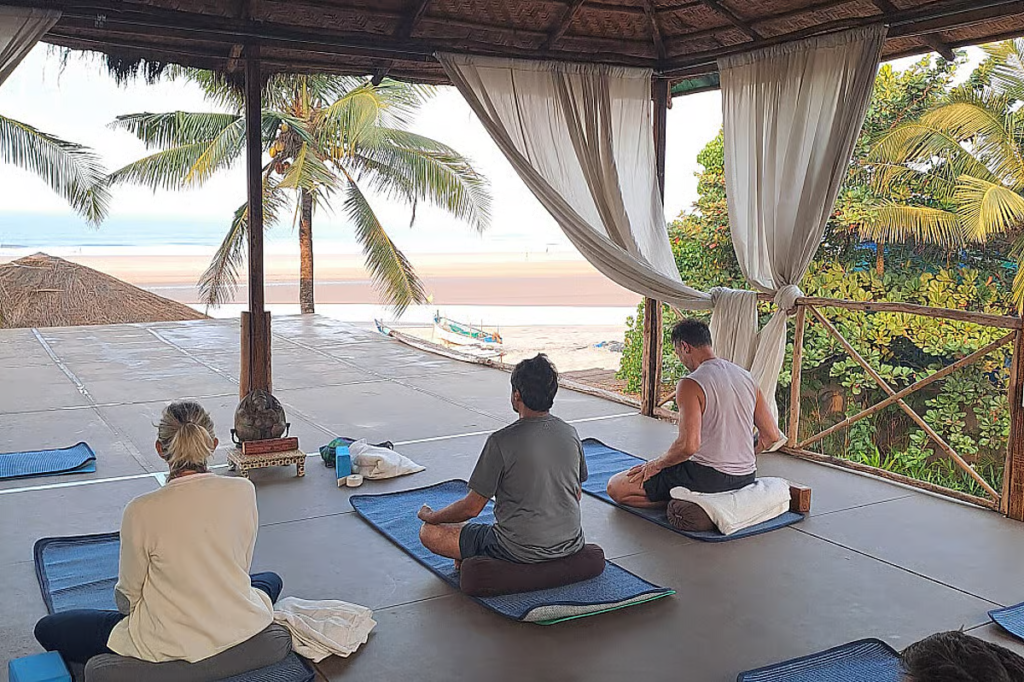
Practical Stress Management That Actually Fits Indian Life
- 5 minutes of deep breathing or Anulom Vilom pranayama in the morning makes a measurable difference.
- Step outside for a walk when you feel overwhelmed. Fresh air and movement together drop cortisol fast.
- Limit doomscrolling. News and social media in excess are a chronic stress trigger many people overlook.
- Talk to someone. Social connection is one of the most powerful natural stress relievers.
- Protect your rest time. Saying no to one unnecessary commitment is self-care, not selfishness.
| 💡 Nudge Tip You do not need a meditation app or 30-minute practice to get started. Just three deep, slow breaths before a meal — inhale for 4 counts, hold for 4, exhale for 6 — is enough to activate your parasympathetic nervous system and reduce cortisol. |
6. Stay Hydrated — Water Is an Immune System Worker
Water does not directly kill viruses, but it plays a critical supporting role in immunity. It helps your kidneys and lymphatic system flush out toxins, keeps mucous membranes moist (your body’s first line of physical defence), and ensures immune cells can travel freely through the bloodstream.

Hydration Habits Worth Building
- Drink 8 to 10 glasses of water a day. More if you are active or in a hot climate.
- Start your morning with a glass of warm water with nimbu — it kickstarts digestion and hydration together.
- Herbal drinks like tulsi chai, jeera water, or ginger water hydrate while also providing immune-supportive compounds.
- Limit sugary drinks and packaged juices. They spike blood sugar and offer little real hydration.
What Actively Weakens Your Immunity (And Is Worth Reducing)
Building immunity is not just about what you add — it is also about reducing what works against you.
| What Weakens Immunity | Simple Alternative |
| Too much sugar | Replace with jaggery, dates, or fruit |
| Chronic sleep deprivation | Fix one sleep habit at a time |
| Sedentary lifestyle | Start with a 10-min walk after dinner |
| Excess alcohol | Swap one drink for nimbu pani or jeera water |
| Smoking | Seek support — even cutting down helps |
| Chronic stress unmanaged | 3 deep breaths, every single day |
Your 7-Day Immunity Reset — No Supplements Needed
Pick just two or three of these to start with. Do not try to do everything at once.
| Day | One Small Action |
| Day 1 | Start the morning with warm nimbu pani before chai |
| Day 2 | Add haldi to one meal — dal, sabzi, or a warm glass of milk at night |
| Day 3 | Sleep 30 minutes earlier than usual. Set a fixed alarm. |
| Day 4 | Take a 20-minute walk after dinner. No phone, just movement. |
| Day 5 | Eat one bowl of fresh homemade dahi with lunch |
| Day 6 | Do 5 minutes of Anulom Vilom breathing in the morning |
| Day 7 | Reflect: Which of these felt sustainable? Keep those going. |
Immunity is not a destination you arrive at. It is something your body maintains every single day based on the choices you make — what you eat, how you sleep, whether you move, how you handle stress.
The good news is that your body responds quickly to positive changes. Even one week of better sleep, more hydration, and a little movement can create a noticeable shift in how you feel.
You do not need to do everything perfectly. You just need to start.
That is the Nudge way — small steps, done consistently, lead to real change.
NUDGE — Wellness that fits your real life.